15993065963

Why choose Ruit Machinery

A vibration equipment supply enterprise that integrates customized design and manufacturing for customers

Customer Case

Strong strength · Rich experience · Quality assurance · Customer first · Win-win cooperation

ABOUT US

Strong strength · Excellent equipment · Quality assurance · Customer first · Win-win cooperation

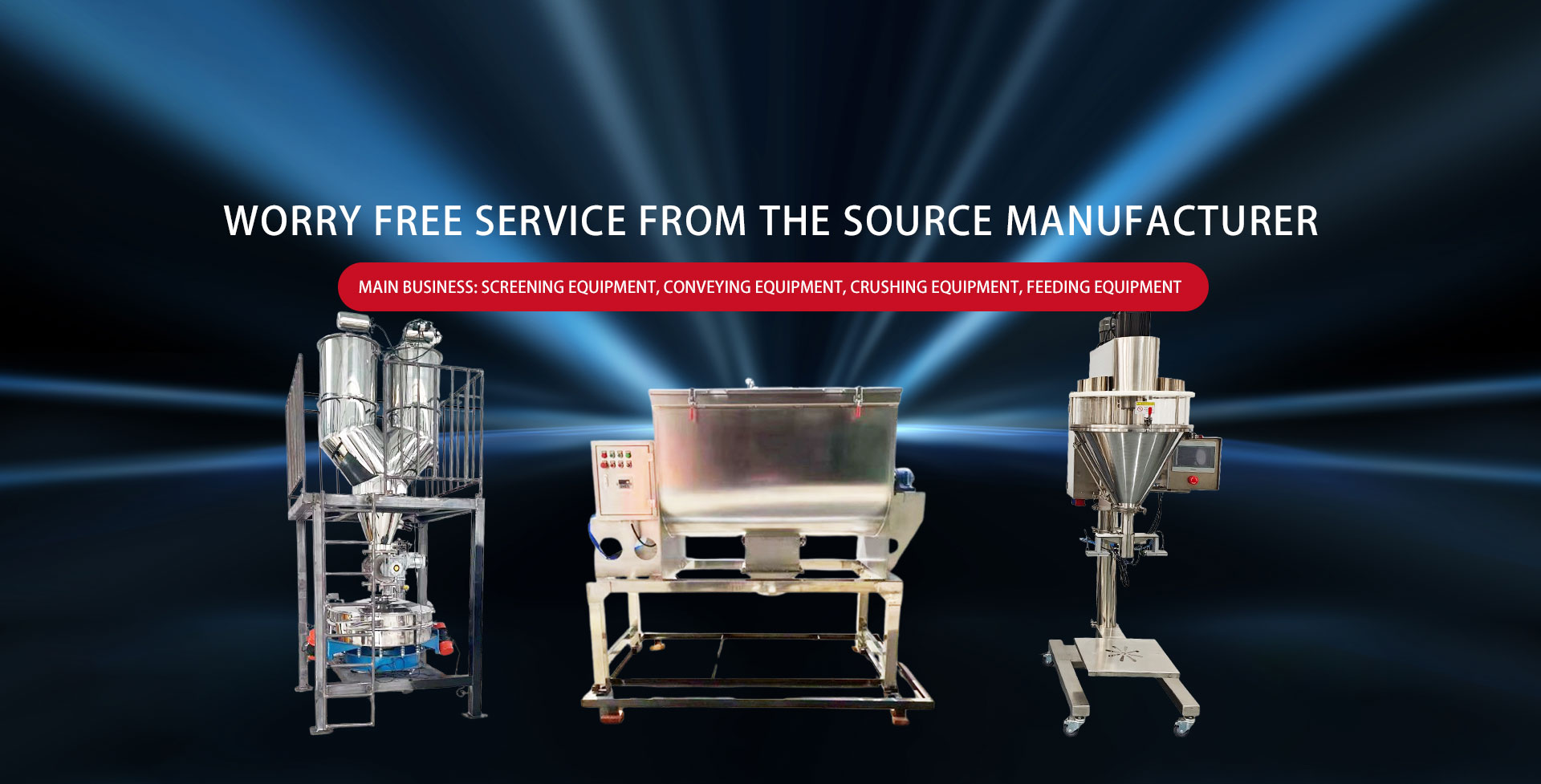
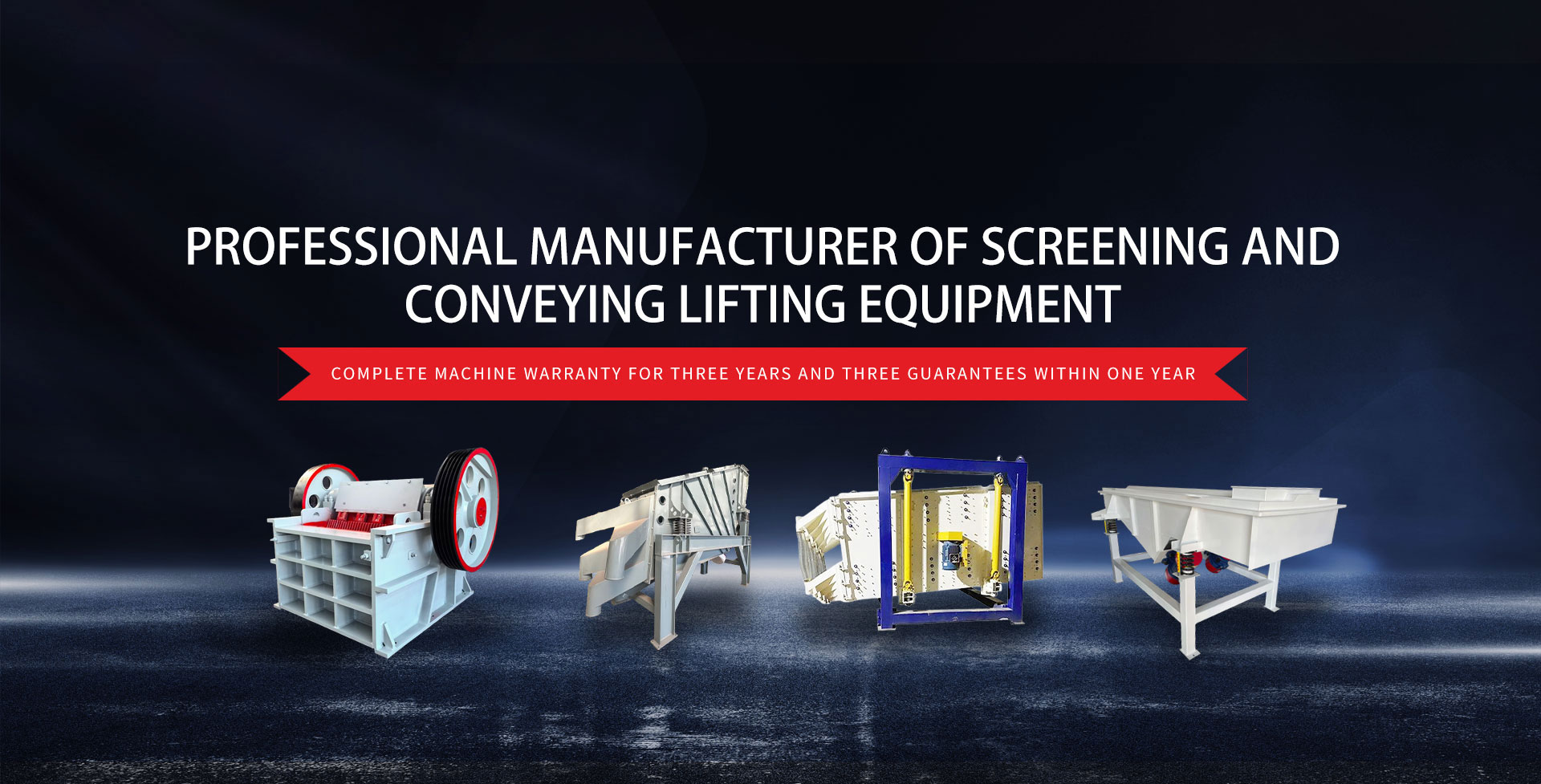
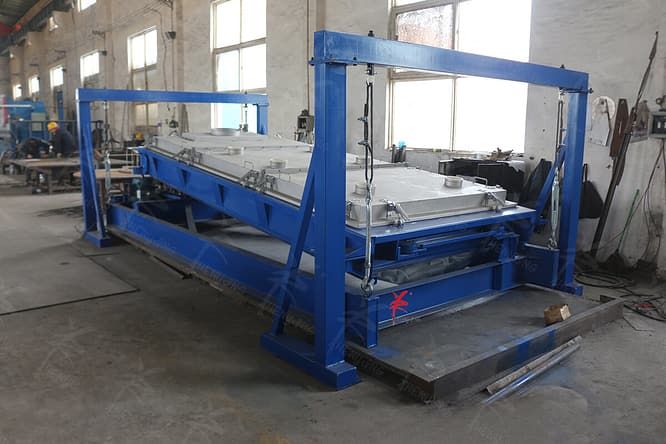
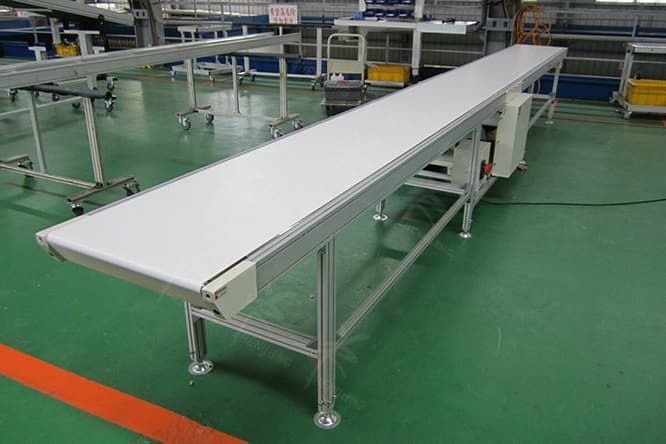
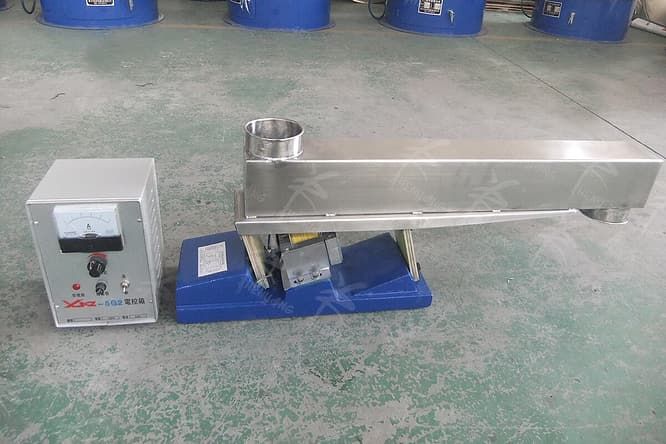
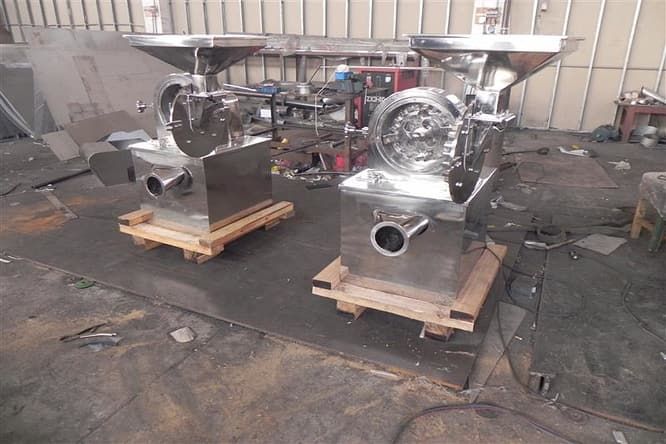
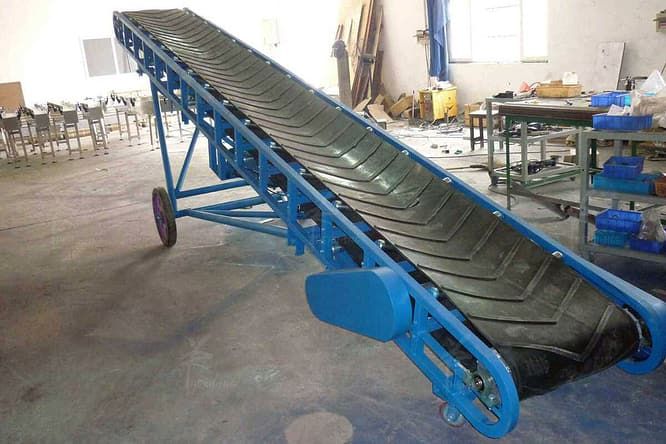
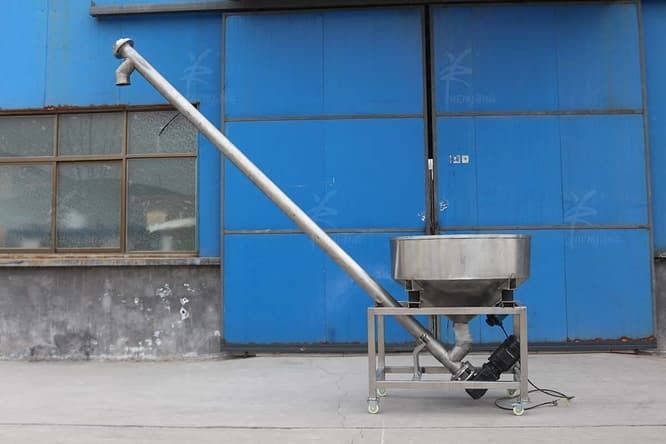
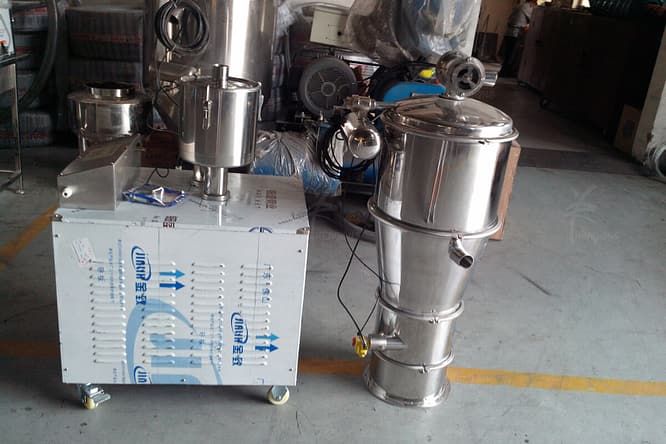
  Xinxiang Zhenying Mechanical Equipment Co., Ltd. is one of the professional machinery manufacturers which specialises in the production of sieving equipments, conveying equipments, crushing equipments and feeding equipments as well as relevant parts.The company has developed quickly and has been in cooperation with some domestic and international famous suppliers.  Since establishment, the company has been developing very fast. The reasons for the fast growth are due to the cooperative spirits of Zhenying people and our belief in the power of technology and innovation. Zhenying has ten engineers with good educational background, working employees about one hundred, sales force of 50 and 20 after sales employees undertaking internal and eternal business.  Our products have won not only good reputation in china but also applauses by foreign clients like Vietnam,Burma,Korean, Indonesian, Turkey and European countries so on.  So far we have achieved a lot of credits and authentifications. They are as follows: ISO 9001-2008, CE Certificate, AAA Credit Company and many times governmental credits.
MORE

NEWS CENTER

Follow company news to stay informed about industry trends

Powder sieving machine introduction

Powder sieving machine introduction

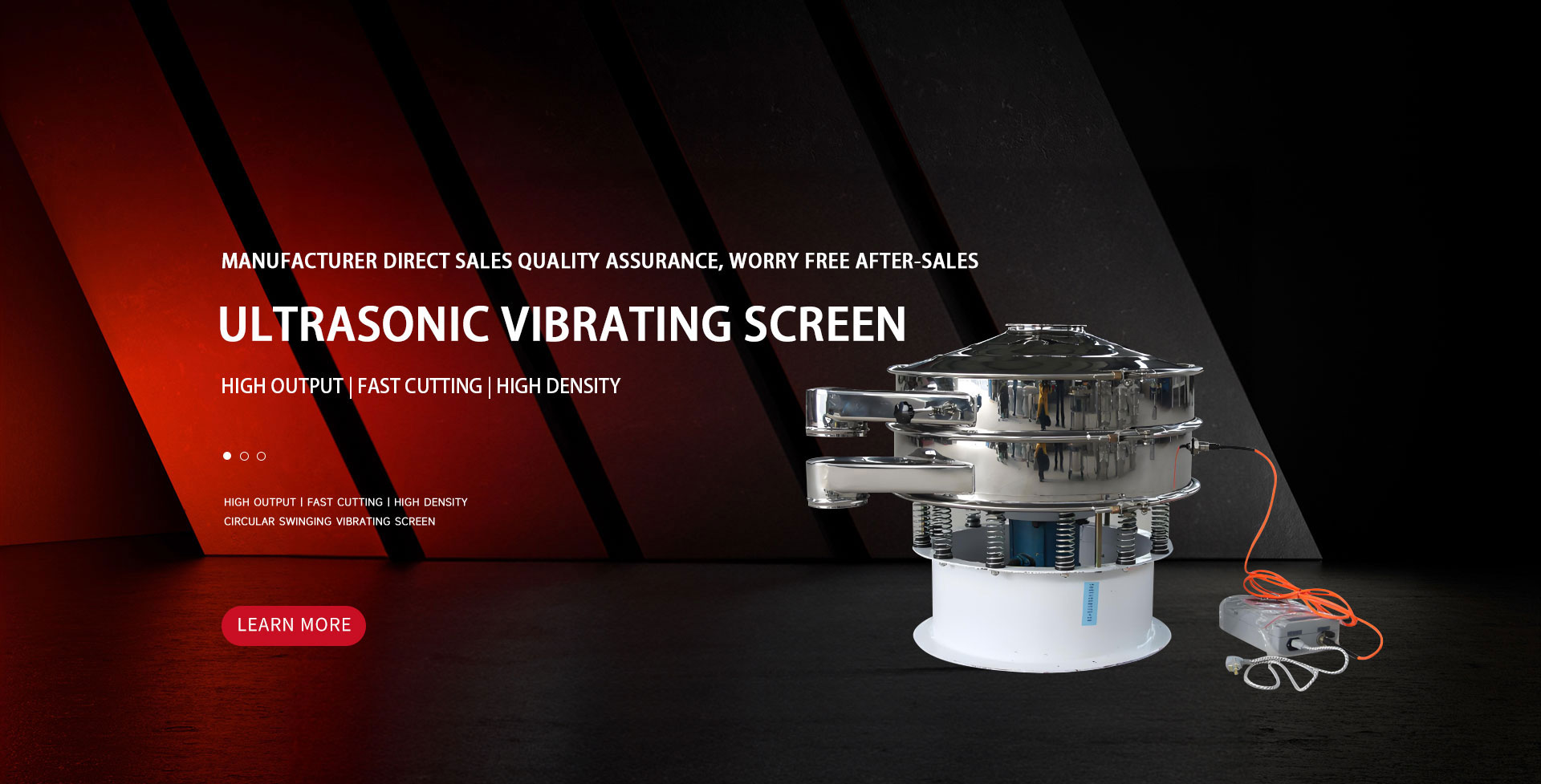
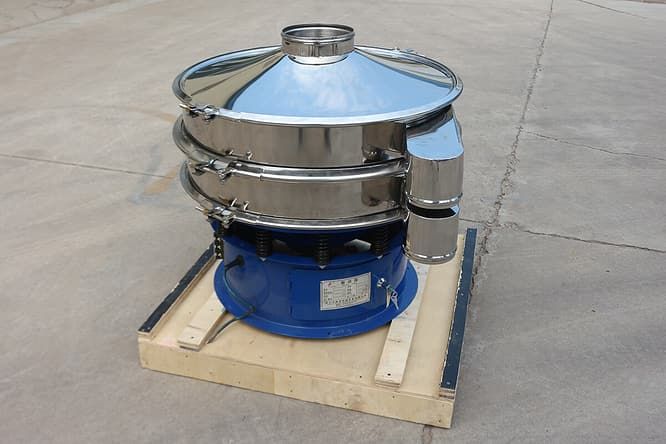
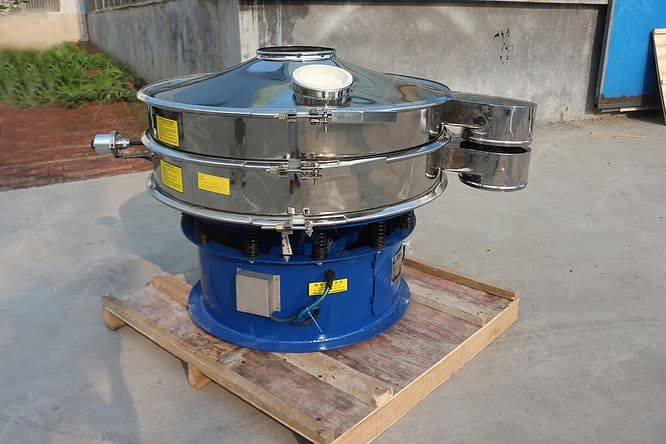
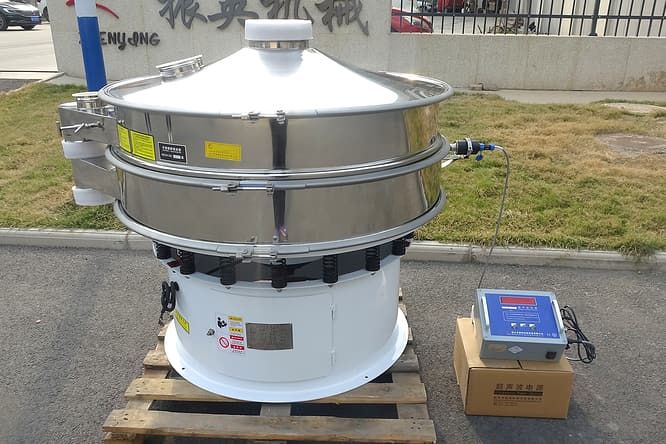
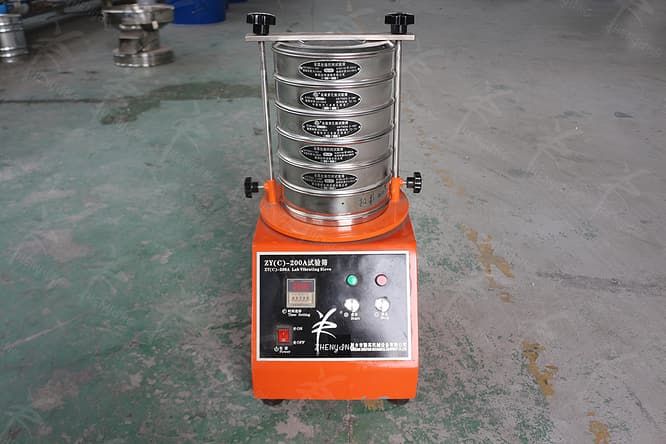
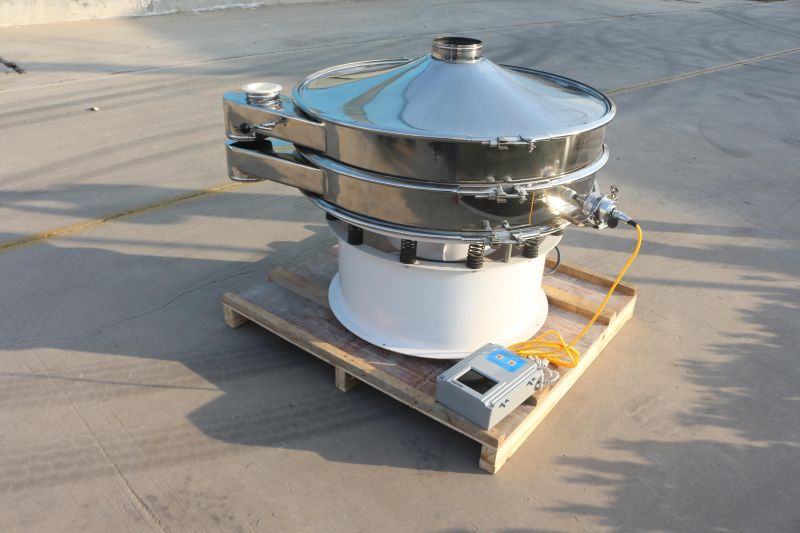
  Fine Powder sieving machine  Powder sieving machine usually called ultrasonic vibration sieve.In the daily production process,many fine powder materials are screened,and these fine powder materials are difficult to screening and the screening output small. For this reason,Zhenying company has developed an ultra-fine powder vibrating sieving machine(ultrasonic vibration sieve).  Our fine powder sieving machine is completely independently developed,Using self-developed ultrasonic system,The screening mesh number can reach 625 meshes, which solves the screening problems of blockage,easy agglomeration,and high density.Ultrasonic vibrating sieve machine adopts a special ultrasonic grid structure.The conversion from built-in ultrasound to external ultrasound.The external ultrasound can be replaced easily and more efficiently.highest frequency can reach 18Hz.Compared with the ultrasonic systems of international well-known brands,Our ultrasonic system has little difference in screening efficiency and service life,but the price is relatively lower.  Product name:Ultrasonic Vibration Sieve  Screening accuracy:300-625 meshLayers:1-5 layers  Powder sieving machine Advantage:  1.Accept customer customization and provide screening solutions  2.Good airtightness,environmental protection and sanitation  3.High safety and easy operation  4.The vibration frequency is adjustable,high screening accuracy,and the screening accuracy can be increased by 30-100%  Ultra-fine powder vibrating sieving machine Application:  Chemical industry: washing powder, resin powder, pigment, micro powder, paint, soda ash, lithium battery, negative electrode material, etc.  Abrasive industry: quartz sand, mud, etc.  Food industry: sugar, salt, alkali, monosodium glutamate, milk powder, soy milk, yeast, fruit juice, soy sauce, vinegar, etc.  Papermaking industry: coating paint, clay slurry, black and white liquid, waste liquid, papermaking liquid, waste water recycling.  Metallurgical industry: titanium oxide, zinc oxide, electromagnetic materials, metal powder, electrode powder  Powder sieving machine Precautions:  1.Each ultrasonic system includes an ultrasonic vibrating screen power supply,an aviation connection patch cord,a transducer,and a grid.Please do not interchange and use the ultrasonic system of other manufacturers to avoid unnecessary loss.  2.In the case of meeting production requirements,the maximum vibration amplitude should not exceed 200μm  3.The screen mesh must be tight,otherwise it will affect the ultrasonic output and vibration effect  4.If the material is conductive,please use an extended ultrasonic aerial connection cable to isolate the power supply of the ultrasonic vibrating screen from the screening site to prevent the material from entering the power box and causing a short circuit.  5.When replacing the screen,scrape off the residual glue on the screen with a sharp wallpaper knife.Do not use the angle grinder wheel to polish it to prevent damage to the Ultrasonic System.
2026-02-03
MORE
Linear Vibrating Sieve Machine: An Overview and Its Applications

Linear Vibrating Sieve Machine: An Overview and Its Applications

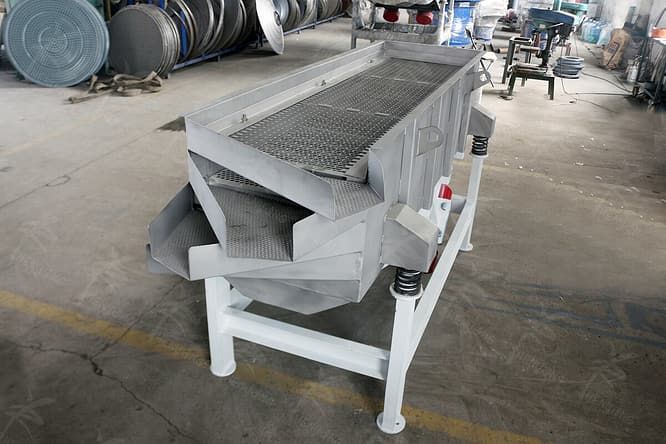
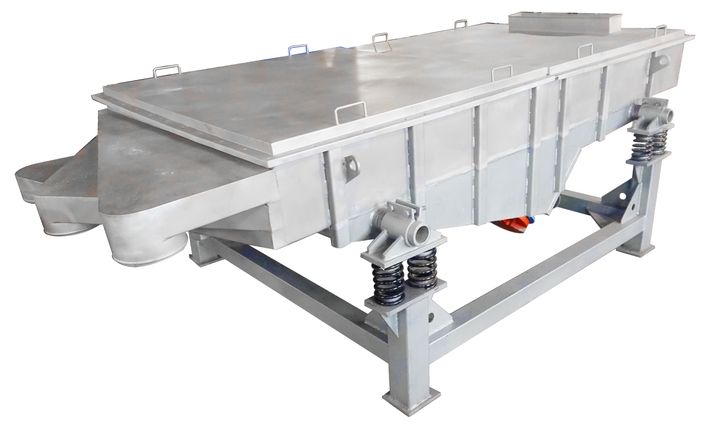
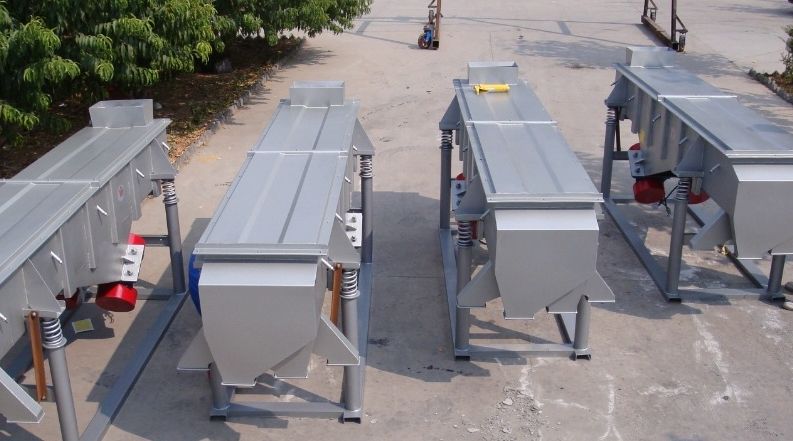
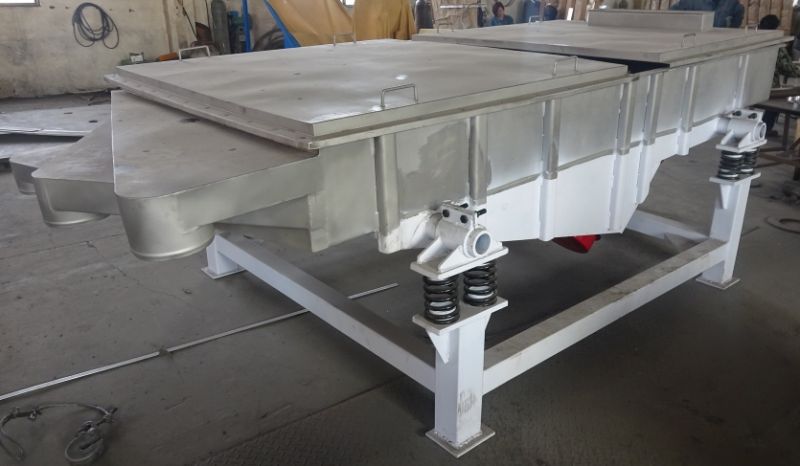
  Introduction  The linear vibrating sieve machine is a significant piece of equipment in the field of industrial screening and separation. It operates based on the principle of linear vibration, which enables it to effectively classify and separate materials according to their particle sizes or other physical properties. With its unique design and reliable performance, it has found wide applications in various industries.  Working Principle  The linear vibrating sieve machine mainly consists of a vibrating frame, screen meshes, vibration motors, and a support structure. The vibration motors are strategically installed on the sieve machine to generate a linear vibration motion. When the machine is turned on, the vibration motors produce a specific frequency and amplitude of vibration. This vibration is then transmitted to the screen meshes, causing the materials placed on the sieve to move in a linear direction along the surface of the screen.  During this process, smaller particles are able to pass through the screen meshes under the influence of gravity and the vibrating force, while larger particles are retained on the screen and gradually move towards the outlet designated for oversized materials. The adjustable vibration parameters, such as frequency and amplitude, allow for precise control over the screening process to meet different requirements of various materials.  Advantages  High Screening Efficiency: Thanks to its continuous linear vibration, materials can be evenly distributed and screened quickly. It can handle a large volume of materials within a relatively short time, ensuring a high throughput rate.  Accurate Separation: The ability to adjust the vibration parameters and the selection of appropriate screen meshes make it possible to achieve highly accurate separation of materials with different particle sizes. This is crucial for industries where strict quality control regarding material granularity is required.  Low Noise and Energy Consumption: Compared with some other types of screening equipment, the linear vibrating sieve machine usually operates with relatively low noise levels. Moreover, its design and working mechanism contribute to efficient energy utilization, reducing overall energy consumption during operation.  Versatile and Adaptable: It can be used for screening a wide variety of materials, including powders, granules, and even small pieces of solids. Additionally, it can be customized according to specific industrial needs, such as adjusting the size of the sieve deck, the inclination angle, and the type of screen mesh.  Applications  Food Industry  In the food processing industry, the linear vibrating sieve machine plays a vital role. For example, in the production of flour, it is used to remove impurities like small stones, husks, and other foreign particles from the wheat grains before milling. In the sorting of grains such as rice and corn, it can separate out broken or underdeveloped kernels to ensure the quality of the final food products. It is also employed in the processing of nuts, candies, and dried fruits to screen out particles of inconsistent sizes or any debris, maintaining the uniformity and purity of the products.  Pharmaceutical Industry  The pharmaceutical sector demands extremely high precision in material screening. The linear vibrating sieve machine is used to screen active pharmaceutical ingredients (APIs) to ensure that their particle sizes are within the required range. This is essential for the proper formulation of drugs, as the particle size can affect drug dissolution, bioavailability, and overall efficacy. For pharmaceutical excipients like starch and lactose, it helps in obtaining the right particle size distribution for better tablet formation and capsule filling.  Mining Industry  In mining operations, the linear vibrating sieve machine is indispensable. After ores are extracted from mines, it is used to separate the ores based on their sizes. Coarser ores can be directed to crushing plants for further size reduction, while the finer ones that meet the required size standards can be sent for subsequent beneficiation processes like flotation or magnetic separation. It also helps in removing waste rock fragments and other unwanted materials from the valuable ores, improving the efficiency of the entire mining process.  Chemical Industry  Chemical manufacturing often involves handling numerous raw materials and intermediate products with specific particle size requirements. The linear vibrating sieve machine is used to screen chemicals such as fertilizers, pigments, and catalysts. For instance, in fertilizer production, it ensures that the different components are mixed at the correct particle sizes for optimal nutrient release. In the case of catalysts, precise screening helps to maintain their catalytic activity by providing the right particle size for better contact with reactants.  Recycling Industry  In the recycling of materials like plastics, metals, and paper, the linear vibrating sieve machine is employed to separate different grades or sizes of recyclables. For example, in plastic recycling, it can distinguish between different types of plastic pellets based on their sizes, facilitating the subsequent processing and reuse of these materials. In the recycling of scrap metal, it helps in sorting out metal pieces of different dimensions, enabling more efficient recycling operations.  Maintenance and Operation Tips  Regular Inspection: It is essential to regularly check the condition of the screen meshes, vibration motors, and the overall structure of the sieve machine. Any signs of wear and tear, such as holes in the screen meshes or abnormal vibrations of the motors, should be addressed promptly.  Cleaning: Keeping the sieve machine clean is crucial for its optimal performance. After each use or at regular intervals, remove any residual materials stuck on the screen meshes and the inner parts of the machine to prevent clogging and ensure smooth screening operations.  Proper Lubrication: The moving parts of the sieve machine, such as the bearings of the vibration motors, should be properly lubricated according to the manufacturer's instructions. This helps to reduce friction, extend the service life of the components, and maintain stable vibration.  Correct Installation: Ensure that the sieve machine is installed on a flat and stable surface, and the inclination angle is set correctly according to the requirements of the materials to be screened. Incorrect installation can lead to uneven screening and reduced efficiency.  Conclusion  The linear vibrating sieve machine is a versatile and efficient tool that has become an integral part of many industries. Its ability to accurately screen and separate materials, combined with its advantages in terms of efficiency, adaptability, and low consumption, makes it a preferred choice for numerous applications. With proper maintenance and operation, it can continue to contribute to improving the quality and efficiency of industrial processes for years to come.
2026-02-03
MORE
Applications of Rectangular Vibrating Sieve

Applications of Rectangular Vibrating Sieve

  Rectangular vibrating sieve is a widely used screening equipment in numerous industries, playing a crucial role in improving production efficiency and product quality. Here are some of its main applications in different fields:  1. Mining Industry  In the mining sector, the rectangular vibrating sieve is an essential part of the production process. After ores are extracted from mines, they are in a mixed state with various sizes and compositions. The rectangular vibrating sieve can classify the raw ores according to the particle size by setting the appropriate mesh size of the screen. For instance, larger ore particles can be separated out and sent for the next crushing process to facilitate the extraction of valuable minerals later. Meanwhile, the finer ore particles that meet the specific granularity requirements can directly enter the subsequent beneficiation processes, such as magnetic separation or flotation. This helps to enhance the overall efficiency of the beneficiation process and reduce unnecessary material transfer and energy consumption. Moreover, for different types of ores like iron ores, copper ores, and gold ores, the rectangular vibrating sieve can be adjusted with parameters like screen specifications to precisely meet the screening needs, ensuring the smooth operation of the mining production chain.  2. Chemical Industry  In the chemical industry, strict control over the particle size of materials is often required in the handling of various raw materials and intermediate products. The application of the rectangular vibrating sieve is of great significance. For example, during the production of chemical fertilizers, it is necessary to screen the powdery and granular raw materials according to specific particle sizes to ensure that the different components of the raw materials can be mixed at the appropriate granularity, thus guaranteeing the stable quality and uniform fertility of the final fertilizer products. When it comes to the use of catalysts in some chemical synthesis processes, the rectangular vibrating sieve is also used to screen out catalyst particles within the required particle size range. Since the particle size of the catalyst directly affects its catalytic activity and reaction rate, only the precisely screened catalyst can achieve the best performance in chemical reactions, improving the efficiency and product quality of chemical production. Additionally, in the packaging and delivery stage of chemical finished products, the rectangular vibrating sieve can be utilized to remove impurities or oversized particles that may have been mixed in, ensuring that the products meet high-quality factory shipment standards.  3. Food Processing Industry  Food safety and quality are of utmost importance, and the rectangular vibrating sieve makes significant contributions to ensuring food quality. In the grain processing process, for raw grains such as wheat and rice, before entering the milling or packaging processes, they need to pass through the rectangular vibrating sieve to remove impurities like stones, clods of earth, straws, and shriveled grains that do not meet the requirements. This ensures that the flour, rice and other products processed later are pure, safe and have good taste. In the sugar industry, whether it is the raw sugar extracted from sugarcane or the intermediate sugar products in the beet sugar production process, the rectangular vibrating sieve is used for screening to grade the sugar lumps according to size, which is convenient for subsequent refining and packaging operations. It can also remove the mixed-in fibers and other impurities, improving the quality of the finished sugar so that consumers can buy sugar products with fine taste and high purity. For the processing of nuts and candied fruits, the rectangular vibrating sieve can screen out products with uniform sizes. On the one hand, it is beneficial for unified packaging and sales, and on the other hand, it can ensure that the products reach a relatively consistent standard in appearance and taste, enhancing market competitiveness.  4. Building Materials Industry  In the production of building materials, the rectangular vibrating sieve also holds a prominent position. For example, in the production of sand and gravel materials, after the stones mined from the quarry are crushed, they need to be screened by the rectangular vibrating sieve to separate out different specifications of stones, such as coarse and fine aggregates used for concrete mixing. Different particle sizes of stones need to be mixed in corresponding proportions to ensure that the performance indicators such as the strength and workability of the concrete meet the requirements of construction. In the production of cement, after the grinding of raw materials and other processes, the rectangular vibrating sieve is used to screen out the qualified particle size of cement powder and remove possible large particle agglomerates, ensuring that the fineness of the cement product meets the standard and thus guaranteeing the reliable quality of the cement used in construction, making the building structures more stable. In the ceramic production, after the processing of clay raw materials, the rectangular vibrating sieve is used to screen out the fine and uniform parts, which is conducive to the subsequent forming and firing processes, improving the quality of ceramic products and reducing the defective rate.  5. Pharmaceutical Industry  The pharmaceutical industry has extremely high requirements for the purity and particle size accuracy of materials, and the rectangular vibrating sieve also plays a key role here. In the production of active pharmaceutical ingredients, whether they are extracted from natural medicinal materials or obtained through chemical synthesis, they need to be precisely screened by the rectangular vibrating sieve to remove possible unreacted impurities, large particle agglomerates, etc., ensuring that the particle size of the active pharmaceutical ingredients is uniform. This enables stable dissolution and absorption processes in the body when the drugs are formulated into dosage forms later, meeting the requirements of drug efficacy. For pharmaceutical excipients such as starch and powdered sugar used as fillers, they also need to be screened by the rectangular vibrating sieve to obtain products with appropriate particle sizes. This ensures good forming effects when preparing dosage forms such as tablets and capsules, and prevents the problem of affecting the drug release and efficacy due to the particle size of the excipients.  In conclusion, the rectangular vibrating sieve, with its efficient screening ability, good adaptability and stable performance, has become an indispensable equipment in many industries, continuously promoting the development and progress of these industries.
2026-02-03
MORE
The Practical Application of Rectangular Vibrating Sieve

The Practical Application of Rectangular Vibrating Sieve

  I. Introduction  The rectangular vibrating sieve has become an essential piece of equipment in numerous industrial sectors due to its outstanding ability to separate and classify materials accurately. Understanding how to properly use it is crucial for maximizing its efficiency and ensuring optimal results in various production processes.  II. Installation and Setup  Location Selection: Choose a flat and stable surface for installing the rectangular vibrating sieve. It should be in an area with sufficient space around it to allow for easy access during operation, maintenance, and material handling. Avoid installing it in areas prone to excessive vibration from other machinery, as this could interfere with its normal functioning.  Level Adjustment: Use leveling tools such as spirit levels to ensure that the sieve is perfectly horizontal. An uneven installation can lead to uneven material distribution on the screening surface and affect the screening accuracy and efficiency. Make necessary adjustments by adjusting the feet or supports of the sieve frame until it is properly leveled.  Connection to Power and Ancillary Equipment: Connect the sieve to a suitable power source according to the electrical specifications provided by the manufacturer. Also, if it is part of a production line, properly connect it with the upstream feeding equipment and the downstream collection or further processing equipment. Ensure that all connections are secure and that the electrical wiring is properly installed and grounded to guarantee safe operation.  III. Parameter Adjustment  Vibration Frequency: The vibration frequency determines how quickly the particles on the screening surface move and jump. For materials with relatively fine particles and a narrow size range, a higher vibration frequency may be set to enhance the separation speed. However, for coarser materials or those that are more fragile, a lower frequency might be more appropriate to prevent damage to the particles and ensure proper screening. Adjust the frequency using the control panel or relevant adjustment mechanisms provided on the sieve, usually in line with the material characteristics and the desired screening outcome.  Vibration Amplitude: Amplitude controls the extent of the vibration stroke. A larger amplitude is beneficial when dealing with materials that tend to agglomerate or have a high moisture content, as it helps to break up the clumps and facilitate the passage of particles through the screen mesh. For dry and free-flowing materials, a moderate amplitude can be selected. The amplitude can be adjusted through the eccentric devices or other amplitude-adjusting components on the sieve's vibration system.  Screen Mesh Selection: Depending on the target particle size separation, choose the appropriate screen mesh with the correct aperture size. Finer meshes are used for separating smaller particles, while coarser meshes are for larger ones. In some cases, multiple layers of screen meshes with different aperture sizes can be installed in the rectangular vibrating sieve to achieve a more refined classification of materials. Replace the screen mesh regularly to maintain good screening performance, especially when it gets worn or damaged over time.  IV. Operation Process  Feeding: Start by evenly feeding the material to be screened into the feed hopper of the rectangular vibrating sieve. The feeding rate should be controlled to avoid overloading the sieve, which could lead to poor screening results or even damage to the equipment. Some modern sieves are equipped with automatic feeding control systems to ensure a consistent and appropriate material flow.  Monitoring During Operation: Keep an eye on the sieve's operation while it is running. Check for any abnormal vibrations, noises, or signs of material blockage on the screening surface. If there are any issues, stop the sieve immediately and troubleshoot. Also, observe the material flow and the separation effect at the discharge outlets to ensure that the desired screening results are being achieved.  Discharge and Collection: As the sieve operates, the fine materials that pass through the screen mesh will be discharged through the corresponding outlet and can be collected in suitable containers or directed to the next stage of processing. The oversize materials retained on the screen will move towards the other discharge outlet and can be removed for further handling, such as reprocessing or disposal depending on the specific production requirements.  V. Maintenance and Troubleshooting  Regular Cleaning: After each use or at regular intervals, clean the screening surface, the interior of the sieve, and the discharge areas to remove any residual materials. This helps to prevent material buildup, which could affect the screening performance and also cause corrosion or wear of the equipment over time. Use appropriate cleaning tools and follow the manufacturer's cleaning guidelines.  Component Inspection: Periodically inspect the vibration motors, bearings, screen meshes, and other key components. Check for signs of wear, loose connections, or damage. Replace any worn or damaged parts promptly to maintain the sieve's stable operation. Lubricate the moving parts as recommended by the manufacturer to reduce friction and extend their service life.  Troubleshooting Common Issues:  Uneven Screening: This could be due to an uneven installation, damaged screen mesh, or improper vibration parameters. Check the level of the sieve, examine the screen mesh for damage or clogging, and adjust the vibration frequency and amplitude if necessary.  Low Screening Efficiency: Possible causes include incorrect screen mesh selection, too high or too low feeding rate, or suboptimal vibration settings. Review these aspects and make appropriate adjustments.  Abnormal Noises or Vibrations: It might indicate problems with the vibration motors, loose components, or foreign objects interfering with the sieve's operation. Shut down the sieve and conduct a thorough inspection to identify and resolve the issue.  VI. Conclusion  Proper use of the rectangular vibrating sieve involves careful installation, appropriate parameter adjustment, correct operation, and regular maintenance. By following these steps and being vigilant in monitoring and troubleshooting, industries can make the most of this valuable equipment to achieve efficient and accurate material screening and classification, thereby contributing to the overall quality and productivity of their production processes.
2026-02-03
MORE

Xinxiang Zhenying Machinery Equipment Co., Ltd

CONTACT: 15993065963

E-MAIL:info@vibratingscreenchina.com

ADDRESS:No. 1789, South Xinfei Road of Xinxiang, Henan, China

Follow us

LINK:

Xinxiang Zhenying Machinery Equipment Co., Ltd ICP: